Skip to content
Mon–Fri & Sun: 8am–6pm · Closed Saturday
ES
Inwood Exterminator Licensed NYC Exterminators

Wildlife & Squirrel Removal in Washington Heights

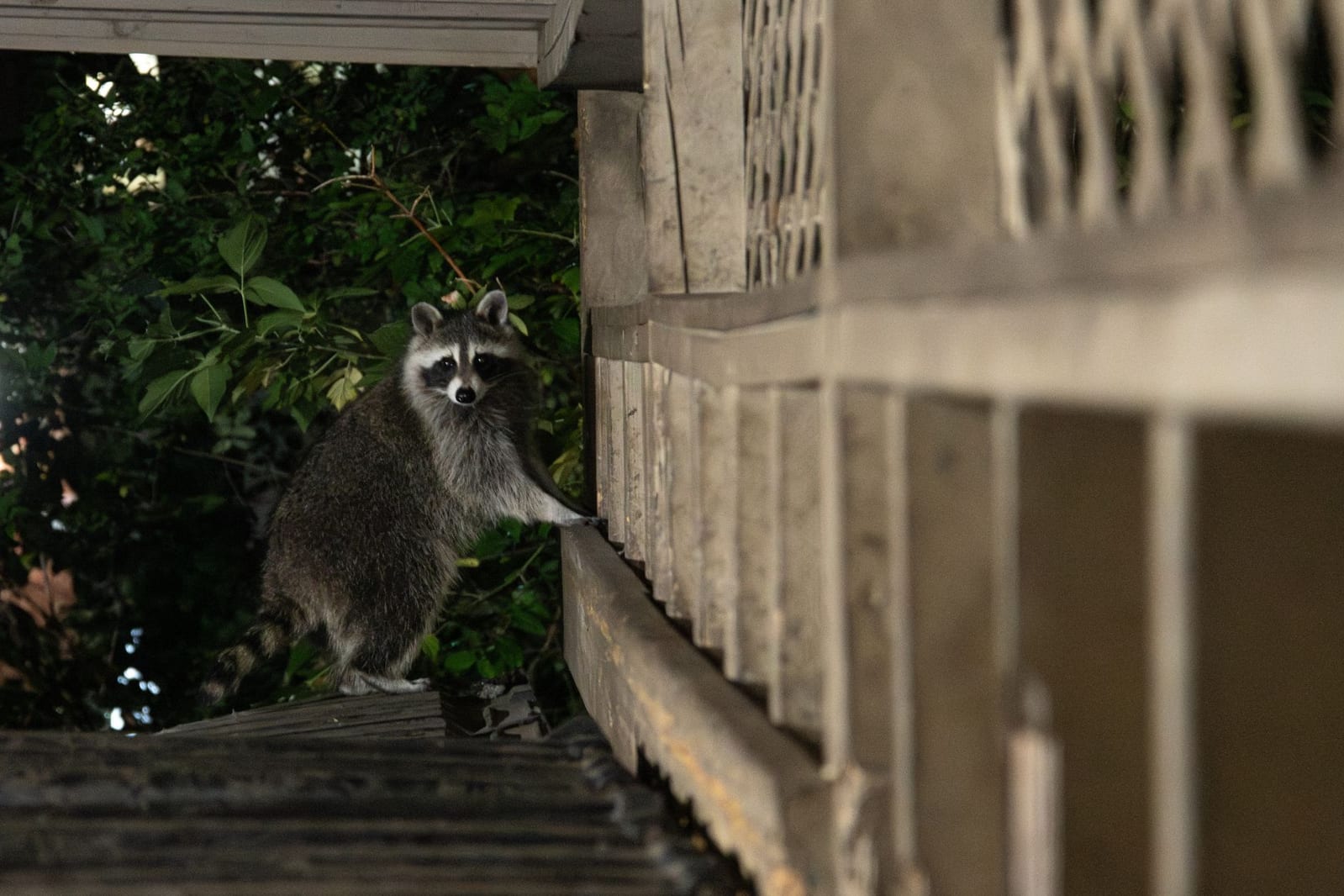
Looking for wildlife removal in Washington Heights? Inwood is the one Manhattan neighbourhood that borders real forest — Inwood Hill Park — so squirrels and raccoons move onto adjacent blocks in a way almost no other part of the borough sees; we focus wildlife exclusion on roofline, soffit, and chimney entry points nearest the park boundary. Washington Heights in Manhattan has its own pest profile — washington Heights is built around large pre-war apartment buildings on steep hills — interconnected basements and shared service areas give rodents and roaches easy routes between buildings.

Get Your Free Quote

Or call now: (332) 296-0868

Licensed
& insured NY exterminators
4.9★
332 Google reviews
All 5 Boroughs
Neighbourhood-level NYC coverage
Guaranteed
We return until it's resolved
NY DEC License 15739

Wildlife removal in Washington Heights: what to know

Washington Heights is built around large pre-war apartment buildings on steep hills — interconnected basements and shared service areas give rodents and roaches easy routes between buildings.

High residential density and a busy commercial spine along Broadway and St. Nicholas Avenue sustain steady pest pressure, particularly mice and German cockroaches in older kitchens.

The proximity to Fort Tryon Park and the wooded northern edge of Manhattan adds seasonal pressure from outdoor pests pushing indoors as the weather cools.

How much does wildlife & squirrel removal cost in Washington Heights?

$150–$600

Squirrel removal: $200–$600 (typical $250–$450, avg ~$300). Raccoon removal: $300–$450 avg, or $150–$300 per animal for trap-and-release. Exclusion vent installation: $300–$450 each. One-way mesh exclusion barrier: $10–$25/linear foot.

Squirrel removal $200–$600 one-time
Raccoon removal $150–$450 one-time
Exclusion vent installation $300–$450 per vent

US national figure — NYC typically runs higher.

NYC pest-control pricing tends to run higher in Manhattan than in Brooklyn or Queens — tier-2 NYC industry sources cite roughly a 10–20% premium, attributed to building-access logistics (walk-ups, elevators, doorman/board approval) and labour costs. This is directional signal from industry blogs, not an independently verified figure — confirm with a quote for your specific building.

Market range — not our quote

This is a market range synthesised from published cost guides — not a quote from this provider. The actual price depends on an in-person or photo-based inspection.

US national — NYC typically higher. No NYC-specific wildlife-removal cost guide found despite NYC's well-documented raccoon/squirrel-in-building problem — a genuine gap versus the bed bug/rat/roach guides.

What drives the price

  • Species
  • Number of animals
  • Location (open yard vs attic/wall void)
  • Cleanup/repair needed after removal (droppings, insulation, entry-point damage)
Get an exact quote

Signs you need wildlife removal

  • Scratching or scampering in the attic or ceiling, especially at dawn or dusk
  • Gnawed or torn fascia boards, soffit panels, or roofline gaps facing the park
  • A raccoon or squirrel seen entering/exiting a chimney or roof gap on a park-adjacent block
  • Droppings in an attic or chimney cavity
  • Tree limbs overhanging the roofline close enough to give direct access

How we treat wildlife removal in Washington Heights

Wildlife pressure in Inwood exists for a simple reason: Inwood Hill Park is the only natural forest left on Manhattan island, and it sits directly beside the neighbourhood's housing stock. Squirrels and raccoons that would never reach most Manhattan blocks have a direct route onto roofs and into attics on streets closest to the park.

Squirrels typically enter through gaps in roofing, loose fascia boards, or overhanging tree limbs — all more common on Inwood's park-adjacent blocks than on the denser interior streets toward Washington Heights. Raccoons favour chimneys and larger roofline gaps, and both species are most active seeking entry as the weather turns in autumn.

Local landmarks & coverage

We serve all of Washington Heights and the surrounding Manhattan area — including The Cloisters, Fort Tryon Park, George Washington Bridge, Audubon Avenue — across ZIP codes 10032, 10033, 10040.

Simple, transparent process

Our Washington Heights Wildlife & Squirrel Removal Process

  1. 1

    Roofline and chimney inspection

    We check the entry points most relevant to Inwood's park-adjacent geography — soffits, fascia, chimney caps, overhanging limbs.

  2. 2

    Exclusion-first approach

    All entry points but one get sealed; the primary opening gets a one-way excluder so the animal can leave but not re-enter.

  3. 3

    Confirmed vacancy

    We wait 5–7 days to confirm the space is clear before sealing the final point — critical during spring/summer breeding seasons.

  4. 4

    Full sealing

    Once vacant, every entry point is permanently closed with materials suited to the structure.

  5. 5

    Prevention guidance

    For park-adjacent properties, we flag overhanging branches and roofline gaps that invite repeat entry.

Wildlife & Squirrel Removal in Washington Heights — FAQs

Do you provide wildlife removal in Washington Heights?

Yes — Inwood Exterminator provides wildlife removal throughout Washington Heights (10032, 10033, 10040) and nearby Manhattan. Call us and we'll book the earliest available appointment.

How much does wildlife removal cost in Washington Heights, NYC?

Market rates for wildlife removal in NYC typically run $150–$600, based on published cost guides (not this provider's quote) — we don't have a verified Washington Heights-specific figure, only citywide/national market data. Actual price depends on an in-person or photo-based inspection.

Why does Inwood have wildlife problems when most of Manhattan doesn't?

Inwood Hill Park is the only natural forest left on the island, sitting directly beside the neighbourhood. Squirrels and raccoons that have no route onto most Manhattan blocks can move straight onto roofs closest to the park.

Can you just trap and relocate the animal?

Not far — New York State DEC rules restrict relocating nuisance wildlife more than a short distance. That's why we lead with exclusion: sealing entry points so the animal leaves on its own rather than relying on relocation.

How do I stop squirrels or raccoons from coming back?

Permanent exclusion — sealing every roofline and chimney gap, not just removing the current animal — is the only lasting fix. We also flag overhanging tree limbs on park-adjacent properties, since they're a common re-entry route.

Wildlife & Squirrel Removal in Washington Heights — book today

Licensed, insured, local NYC exterminators. Call to schedule.

Call Now Free Quote